About JAIST
Japan Advanced Institute of Science and Technology (JAIST) is a leading graduate university located in Kanazawa, Ishikawa Prefecture, Japan. Established with a strong focus on advanced research and interdisciplinary education, JAIST specializes in Information Science, Materials Science, and Knowledge Science.
Renowned for its research-driven environment, modern laboratories, and strong global collaborations, JAIST provides an innovative academic setting that fosters creativity, critical thinking, and international exchange. With a diverse community of researchers and graduate students from around the world, the institute plays a significant role in advancing science and technology in Japan and beyond.
Its strategic location in Kanazawa – one of Japan’s most culturally rich and historically preserved cities – offers conference participants a unique opportunity to combine academic engagement with cultural exploration.
Visiting Kanazawa
Kanazawa is the capital city of Ishikawa Prefecture, known for its beautifully preserved Edo-period districts, traditional arts, and refined cuisine. Often referred to as “Little Kyoto” the city blends historical charm with modern sophistication.
The best times to visit Kanazawa are spring (March-May), when cherry blossoms bloom, and autumn (October-November), when vibrant foliage enhances the city’s historic scenery. Summers are warm and lively, while winters bring a serene atmosphere with occasional snowfall.
Top Attractions in Kanazawa
Kanazawa offers a remarkable blend of historical heritage, refined aesthetics, and contemporary creativity. From meticulously preserved Edo-period districts to world-class art institutions and tranquil gardens, the city provides diverse experiences that appeal to history enthusiasts, architecture admirers, culinary explorers, and nature lovers alike. Below is a curated list of must-visit destinations, frequently highlighted in travel guides and visitor reviews:
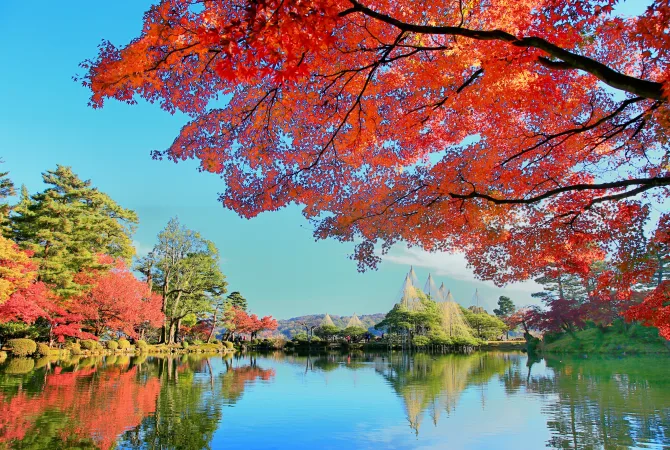
- Kenrokuen Garden: Recognized as one of Japan’s Three Great Gardens, Kenrokuen showcases seasonal beauty year-round – from cherry blossoms in spring to snow-covered landscapes in winter. Its ponds, stone lanterns, and carefully designed scenery embody traditional Japanese garden aesthetics
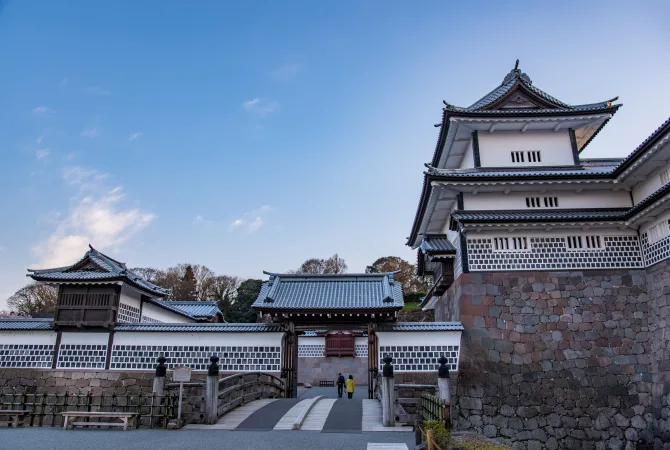
- Kanazawa Castle: Located adjacent to Kenrokuen, this historic castle symbolizes the legacy of the Maeda clan, one of the most powerful feudal families of the Edo period. The reconstructed gates and turrets offer insight into samurai-era architecture
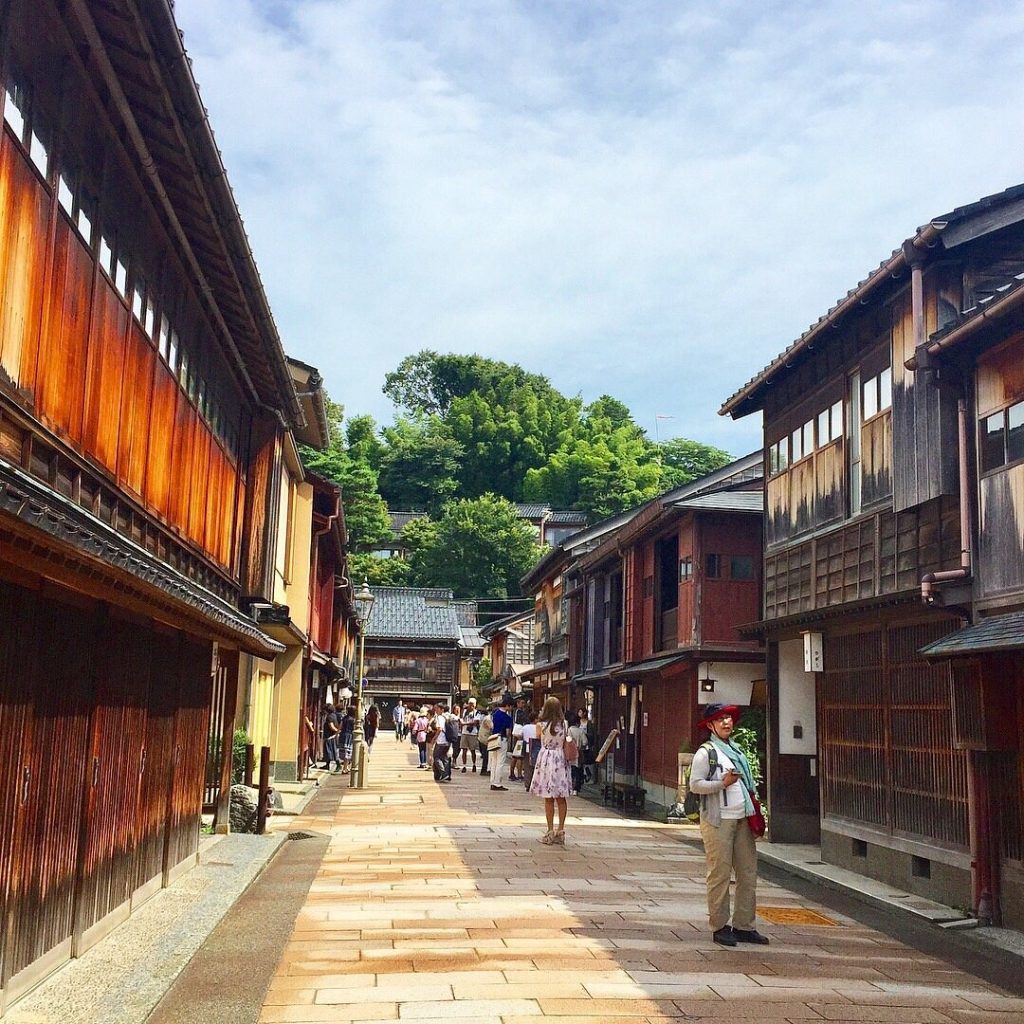
- Higashi Chaya District: A beautifully preserved geisha district featuring traditional wooden teahouses. Visitors can explore cultural museums, attend tea experiences, and admire gold-leaf crafts for which Kanazawa is famous.
- Omicho Market: Known as “Kanazawa’s Kitchen,” this lively market offers fresh seafood, seasonal produce, and local delicacies such as snow crab and sashimi bowls.
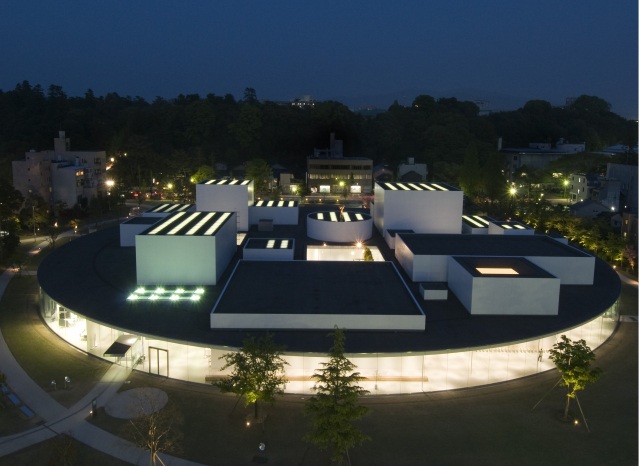
- 21st Century Museum of Contemporary Art: An internationally acclaimed museum celebrated for its circular architecture and interactive contemporary art installations, blending tradition with innovation.
These attractions provide a blend of cultural heritage, architecture, gastronomy, and art – ensuring conference attendees have rich experiences beyond academic sessions.
Day Trips and Excursions
Kanazawa’s strategic location along the Hokuriku region makes it an ideal base for exploring surrounding cultural landmarks, scenic coastlines, historic villages, and relaxing hot spring towns. Within one to two hours of travel, visitors can access UNESCO heritage sites, sacred mountains, and traditional onsen resorts. These excursions offer conference participants the opportunity to extend their stay and experience the broader cultural and natural richness of central Japan.. Based on tourism offerings, popular day trips include:
- Shirakawa-go: A UNESCO World Heritage Site famous for its traditional gassho-zukuri farmhouses with steep thatched roofs designed to withstand heavy snowfall. Located about 1-1.5 hours by bus, this picturesque mountain village offers a glimpse into rural Japan’s architectural heritage and seasonal landscapes.
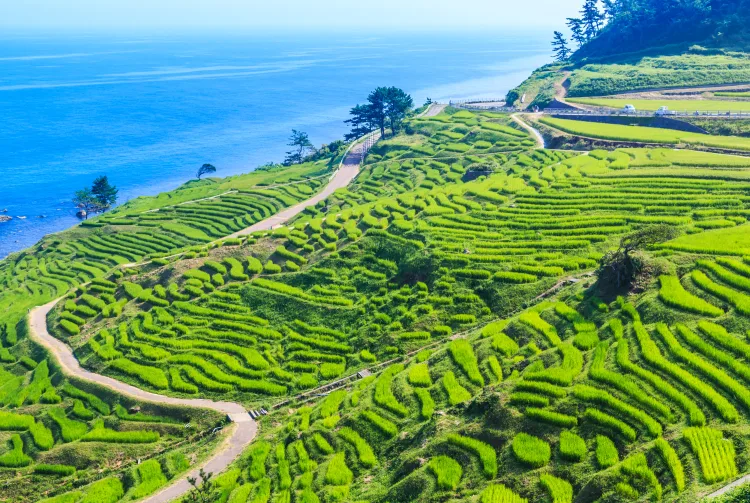
- Noto Peninsula: Known for its dramatic coastline, fishing villages, and terraced rice fields, the Noto Peninsula provides a peaceful escape into nature. Visitors can explore rugged cliffs, coastal viewpoints, and local seafood markets while experiencing authentic rural culture.
- Kaga Onsen: A renowned hot spring region comprising several historic onsen towns such as Yamashiro and Yamanaka. Approximately 30-40 minutes from Kanazawa, Kaga Onsen is ideal for relaxation after the conference, offering traditional ryokan stays and therapeutic mineral baths.
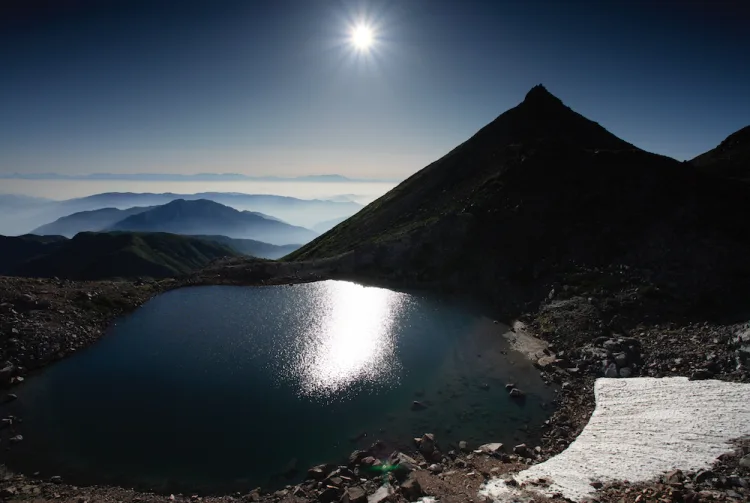
- Mount Hakusan: One of Japan’s Three Sacred Mountains, Mount Hakusan offers hiking trails with panoramic views of forests, alpine plants, and seasonal scenery. It is particularly popular in summer and early autumn for nature excursions.
These day trips are easily accessible, with many tour operators offering packages that can be booked in advance, ensuring attendees can maximize their time exploring beyond the conference.
Cultural Experiences
Kanazawa is not only a city of historical landmarks and scenic gardens; it is also a cultural center where traditional arts, refined cuisine, and seasonal celebrations shape everyday life. Visitors can immerse themselves in authentic Japanese aesthetics, craftsmanship, and culinary heritage, gaining a deeper appreciation of the region’s identity. Key cultural highlights include:
- Local Cuisine: Kanazawa’s culinary scene reflects its coastal location along the Sea of Japan and its long samurai heritage. Fresh seafood such as snow crab (in winter), sweet shrimp, and sushi are widely available, especially at Omicho Market. The region is also known for Kaga vegetables, traditional wagashi (Japanese sweets), and matcha enjoyed in historic teahouses. Another distinctive element is Kanazawa’s gold leaf, often delicately placed on desserts or even soft-serve ice cream as a unique local specialty.
- Traditional Arts and Crafts: Kanazawa has been a center of craftsmanship for centuries. Visitors can explore gold leaf workshops, kutani-yaki porcelain painting, lacquerware, and silk dyeing. In historic districts such as Higashi Chaya District, guests may also experience traditional tea ceremonies that reflect Japanese hospitality and Zen philosophy.
- Festivals: Throughout the year, Kanazawa hosts cultural events that celebrate its history and artistic traditions. Seasonal illuminations, cherry blossom viewing in spring, and autumn foliage festivals enhance the city’s charm. Traditional performances and local celebrations provide insight into regional customs and community life.
These experiences allow conference attendees to connect more deeply with Kanazawa’s cultural identity, transforming their visit into a meaningful blend of academic engagement and cultural discovery.
Travel Information
To ensure a smooth and convenient visit, below are key travel logistics for conference attendees traveling to Kanazawa:
- By Air: Fly into Komatsu Airport, which serves domestic flights from major cities such as Tokyo and Sapporo, as well as selected international routes. From the airport, limousine buses and taxis can reach Kanazawa city center in approximately 40 minutes. International travelers may also arrive at Tokyo’s airports and connect to Kanazawa via the Hokuriku Shinkansen (bullet train), which takes approximately 2.5 hours from Tokyo Station.
- By Train: Kanazawa is directly accessible via the Hokuriku Shinkansen from Tokyo. The journey is comfortable and efficient, making rail travel one of the most convenient options within Japan.
- Accommodation: Kanazawa offers a wide range of accommodation options, from business hotels to traditional ryokan inns and luxury resorts. Popular choices include:
- Hyatt Centric Kanazawa: A modern hotel located near Kanazawa Station, offering convenience and contemporary comfort.
- Hotel Nikko Kanazawa: One of the city’s tallest buildings, providing panoramic views and full-service amenities.
- Traditional ryokan inns in historic districts: Ideal for guests wishing to experience tatami rooms, futon bedding, and Japanese-style hospitality.
- Boutique hotels and guesthouses: Suitable for travelers seeking a more intimate and local atmosphere.
This diversity ensures that attendees can select accommodation that aligns with their budget, preferences, and desired experience.
Kanazawa offers a harmonious blend of intellectual depth, cultural refinement, and natural beauty that makes it far more than a conference destination. Its preserved historic districts, seasonal landscapes, and longstanding artistic traditions create an inspiring environment for both academic exchange and personal enrichment. Whether participants choose to explore centuries-old samurai residences, enjoy contemporary art, relax in nearby hot springs, or simply stroll through serene gardens, Kanazawa provides a memorable and meaningful setting for the 2026 conference.